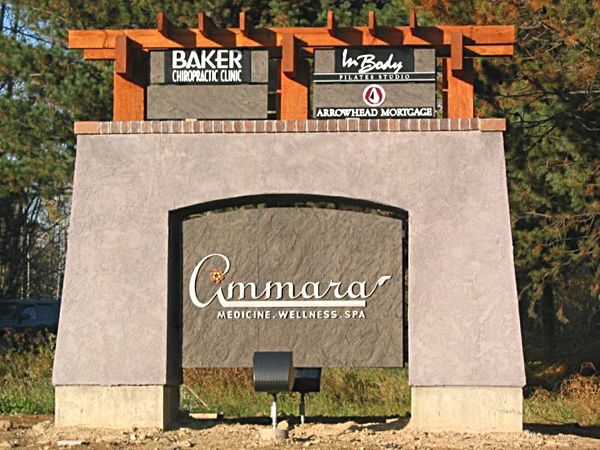
Drive along Arapahoe Avenue in Boulder or cruise down Main Street in Longmont, and you’ll notice something the most established businesses have in common: substantial, well-designed monument signs positioned at their entrances. These ground-level structures have become defining features of Boulder County’s commercial landscape, from medical complexes near Foothills Hospital to retail centers in Lafayette and corporate campuses in the Flatirons area. In a region where businesses compete for attention against the dramatic backdrop of the Rocky Mountains, monument signs provide the kind of permanent, professional presence that elevated pole signs and temporary banners simply cannot match.
Quick Answer
Monument signs are freestanding ground-level structures that typically stand between three and eight feet tall, built with durable materials like stone, brick, or aluminum. For Boulder-area businesses, monument signs offer superior durability against Front Range weather conditions while meeting local height restrictions that many communities enforce. They provide permanent wayfinding, reinforce brand identity, and create a professional first impression that matches the aesthetic standards Boulder County businesses are known for.
Why Monument Signs Matter for Boulder-Area Businesses
Monument signs serve a fundamentally different purpose than other commercial signage. While channel letters identify a storefront and directional signs guide traffic, monument signs establish presence before customers even reach your parking lot. They communicate permanence, investment, and professionalism in ways that temporary or lightweight signage cannot.
For businesses along busy corridors like 28th Street in Boulder, Highway 119 in Longmont, or South Boulder Road in Lafayette, monument signs provide critical visibility at vehicle speeds. Drivers making split-second decisions about where to turn need clear, readable identification that stands out from the visual noise of competing businesses, traffic signals, and the natural landscape.
Boulder County’s business community has long valued quality and sustainability, and monument signs align with these values. A well-constructed monument sign represents a long-term investment in your property and brand, typically lasting 15 to 25 years with proper maintenance. This durability makes monument signs particularly cost-effective compared to signage that requires frequent replacement or repair.
Best Monument Sign Types for Different Applications
Monument signs come in several configurations, each suited to different business needs and site conditions.
Standard monument signs feature a solid base that extends to the ground, creating a substantial, anchored appearance. These work exceptionally well for single-tenant properties like restaurants, banks, and professional offices throughout Boulder and Erie.
Multi-tenant monument signs incorporate panels or sections for multiple businesses sharing a property. Shopping centers along Ken Pratt Boulevard in Longmont and retail developments in Lafayette commonly use this format to give each tenant visibility while maintaining a cohesive property appearance.
Illuminated monument signs use internal lighting, halo-lit elements, or external fixtures to ensure visibility after dark. Given Boulder County’s early winter sunsets and the importance of evening visibility for restaurants and entertainment venues, illumination often proves essential for businesses with evening hours.
Digital monument signs incorporate LED message centers that allow content updates. While some Boulder County jurisdictions restrict digital signage, these signs offer flexibility for businesses like churches, schools, and community organizations that need to communicate changing information.
Natural material monument signs use stone, brick, or wood elements that complement Boulder’s architectural character. These designs often satisfy aesthetic requirements in areas with strict design guidelines while providing the durability needed for Colorado’s climate.
Local Considerations for Monument Signs in Boulder County
Boulder County’s diverse jurisdictions each maintain specific sign codes that affect monument sign design, size, and placement. Understanding these local requirements early in your planning process prevents costly redesigns and permit delays.
The City of Boulder enforces some of the region’s most detailed sign regulations, with height limits, setback requirements, and design review processes that vary by zoning district. Monument signs in Boulder’s commercial zones typically cannot exceed six feet in height, though specific properties may have different allowances based on their zoning designation.
Longmont’s sign code provides clear guidelines for monument signs, with regulations that address size relative to street frontage and building setbacks. Businesses along Main Street and in the downtown area face additional review to ensure signs complement the historic character of the district.
Lafayette and Erie have developed sign codes that balance business visibility needs with community aesthetic goals. Both communities require monument signs to incorporate materials and colors that complement the primary building.
Lyons maintains a distinct small-town character with sign regulations designed to preserve its historic Main Street appearance. Monument signs in Lyons often incorporate natural materials like local stone to blend with the community’s aesthetic.
Gunbarrel, as an unincorporated area of Boulder County, follows county sign regulations rather than municipal codes. This can provide somewhat more flexibility in sign design, though county permits remain required.
Beyond code compliance, Boulder County’s climate demands specific material and construction considerations. Monument signs must withstand intense UV exposure at elevation, dramatic temperature swings, heavy snow loads, and occasional high winds from the foothills. Quality construction using appropriate materials ensures your monument sign maintains its appearance and structural integrity through decades of Front Range weather.
Common Monument Sign Mistakes Boulder Businesses Make
Working with businesses throughout Boulder County, certain monument sign mistakes appear repeatedly. Avoiding these common pitfalls saves time, money, and frustration.
Underestimating setback requirements ranks among the most frequent issues. Business owners often design signs based on their desired appearance without first confirming how far from the property line or right-of-way the sign must be placed. A beautiful design becomes irrelevant if it cannot legally be installed in the intended location.
Choosing inappropriate materials for Colorado conditions leads to premature deterioration. Signs built with materials suited for milder climates may fade, crack, or warp when exposed to Boulder’s UV intensity, temperature extremes, and freeze-thaw cycles. Investing in weather-appropriate materials from the start costs less than premature replacement.
Neglecting illumination planning creates visibility problems. A monument sign that looks impressive during daylight may become nearly invisible after dark if lighting was not incorporated into the original design. Retrofit illumination options exist but rarely achieve the integrated appearance of signs designed with lighting from the beginning.
Ignoring the surrounding landscape undermines sign effectiveness. Monument signs need adequate clear space and appropriate landscaping to maximize visibility and create an attractive presentation. Signs crowded by overgrown shrubs or competing visual elements fail to deliver their full impact.
Skipping professional installation to reduce costs often backfires. Monument signs require proper foundations, often including concrete footings engineered for local soil conditions and frost depths. Improper installation can result in settling, tilting, or structural failure that costs far more to correct than professional installation would have cost initially.
Serving Boulder and Nearby Communities
Niwot Signs works with businesses throughout Boulder County and the surrounding Front Range communities, providing monument sign solutions tailored to each location’s specific requirements and conditions.
In Boulder, we help businesses navigate the city’s detailed design review process while creating signs that meet both functional needs and aesthetic standards. Our familiarity with Boulder’s planning department and sign code allows us to anticipate requirements and avoid common approval delays.
Longmont businesses benefit from our experience with the city’s sign regulations and our understanding of how different commercial areas, from downtown to the highway corridors, require different design approaches.
Lafayette and Erie’s growing business communities need monument signs that establish professional presence as these communities continue developing. We help new businesses make strong first impressions while assisting established businesses in updating aging signage.
Lyons’ unique character requires monument signs that respect the town’s historic aesthetic while providing effective business identification. Natural materials and thoughtful design allow businesses to maintain visibility without disrupting the community’s appeal.
Gunbarrel businesses working under county regulations have options that municipal businesses may not, and we help identify opportunities while ensuring all county requirements are met.
Planning Your Monument Sign: Next Steps
Effective monument sign planning begins well before design discussions. Understanding your site conditions, local regulations, and functional requirements provides the foundation for a successful project.
Start by reviewing your property survey to identify exact property lines and any easements that might affect sign placement. Contact your local planning department to obtain current sign code requirements for your specific zoning district. Take photographs of your property from the street at various times of day to understand how lighting conditions affect visibility.
Consider your long-term needs. If your business might expand, relocate, or rebrand within the sign’s expected lifespan, factor these possibilities into your design. Multi-tenant properties should establish clear guidelines for tenant panel specifications before installation.
Evaluate your visibility requirements honestly. Signs that work for businesses with dedicated turn lanes may be insufficient for properties where customers must identify and exit from fast-moving traffic. The right sign size and placement depends on your specific site conditions and traffic patterns.
Gather examples of monument signs you find effective and appealing. Understanding what works for similar businesses in similar settings helps communicate your vision and ensures your expectations align with practical possibilities.
A well-planned monument sign serves your business for decades, providing consistent identification and professional presence through changing seasons, economic cycles, and business evolution. Taking time to plan thoroughly at the beginning protects your investment and ensures the finished sign meets your needs completely.
How much does a monument sign cost in Boulder?
Monument sign costs in Boulder typically range from $5,000 for basic single-face non-illuminated signs to $25,000 or more for large illuminated multi-tenant structures. Factors affecting price include size, materials, illumination type, foundation requirements, and design complexity. Stone and brick facades cost more than aluminum or synthetic materials. Permitting fees in Boulder add several hundred dollars to project costs. Most single-tenant businesses find quality monument signs fall in the $8,000 to $15,000 range installed.
What size monument sign can I have in Boulder County?
Monument sign size limits vary by jurisdiction and zoning district throughout Boulder County. The City of Boulder typically limits monument signs to six feet in height, though some zones allow different dimensions. Longmont, Lafayette, and Erie each maintain their own height and area restrictions based on property frontage and zoning. Unincorporated Boulder County follows county sign regulations. Checking with your specific municipality’s planning department provides accurate size limits for your property before beginning design work.
How long does it take to get a monument sign permitted and installed?
Monument sign projects in Boulder County typically require six to twelve weeks from initial design to completed installation. Permit review takes two to four weeks in most jurisdictions, though Boulder’s design review process may extend this timeline. Sign fabrication requires three to six weeks depending on complexity and materials. Installation takes one to three days for most monument signs. Projects requiring variances or special approvals may take significantly longer. Starting the permit process early helps avoid delays in your planned installation timeline.
What materials work best for monument signs in Colorado?
Colorado’s climate demands durable materials that withstand UV exposure, temperature extremes, and freeze-thaw cycles. Aluminum with high-quality automotive finishes provides excellent durability with design flexibility. Natural stone and brick offer permanence and weather resistance when properly installed with appropriate foundations. High-density urethane foam creates the appearance of carved wood or stone without moisture-related deterioration. Acrylic faces for illuminated elements should be UV-stabilized to prevent yellowing. Avoiding materials prone to rust, rot, or UV degradation ensures your monument sign maintains its appearance for decades.
Do I need a permit for a monument sign in Longmont?
Yes, Longmont requires sign permits for monument signs. The permit process involves submitting a sign application with site plans showing the proposed location, sign drawings with dimensions and materials, and applicable fees. Longmont’s planning department reviews applications for compliance with the municipal sign code, including size limits, setback requirements, and design standards. Some locations within Longmont, particularly in historic districts or planned developments, may require additional review. Obtaining permits before installation avoids fines and potential removal requirements.