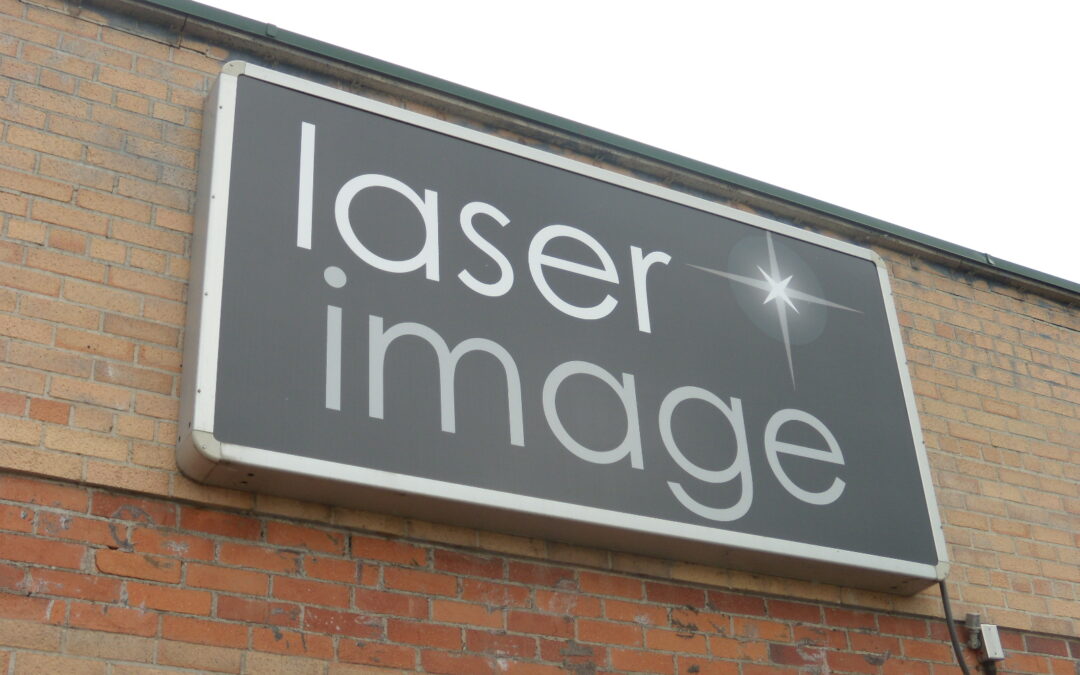
Walk down Pearl Street at dusk, drive the Diagonal from Longmont to Boulder, or cruise through the Erie Parkway commercial corridors and you notice them immediately—illuminated cabinet signs glowing above storefronts, service bays, and professional offices. These are the workhorses of commercial signage across Boulder County. Whether it’s a veterinary clinic along 28th Street, an auto shop on North Broadway, or a restaurant anchoring a Lafayette strip center, cabinet signs account for more exterior business identification than any other illuminated sign type in our market. The combination of Front Range sun exposure, fluctuating temperatures, and high-wind events along the foothills makes sign cabinet construction and material selection especially important here. Understanding how these signs work—and how to choose the right one—can save Boulder-area business owners thousands of dollars and years of maintenance headaches.
Quick Answer
Illuminated cabinet signs, sometimes called lightbox signs, are internally lit sign enclosures made from aluminum frames and translucent acrylic or polycarbonate faces. They are the most common type of illuminated business sign in Boulder County because they deliver excellent visibility day and night, hold up well against our high winds and UV exposure, and work with virtually any building type or zoning district. LED-powered cabinet signs are energy-efficient, long-lasting, and available in a wide range of sizes and configurations to meet Boulder, Longmont, Lafayette, Erie, Lyons, and Gunbarrel sign code requirements.
Why Cabinet Signs Matter for Boulder-Area Businesses
First impressions happen at the curb. Research consistently shows that a majority of consumers form opinions about a business before walking through the door, and your sign is the most visible element of that first impression. For Boulder County businesses competing in tight commercial districts—think downtown Longmont’s Main Street, the Village at the Peaks, or the busy corridors around 30th and Arapahoe in Boulder—a well-designed, properly illuminated cabinet sign is the most cost-effective way to ensure 24-hour brand visibility.
Cabinet signs serve a dual purpose. During the day, the high-contrast face panel with raised or flat-cut vinyl graphics communicates your name, logo, and brand colors. After dark, internal LED modules illuminate the face evenly, turning that same panel into a beacon that draws attention from passing traffic. This matters particularly in areas like Gunbarrel or Erie, where newer commercial developments often sit along faster-moving corridors and need maximum visibility for drivers making quick decisions.
Beyond branding, cabinet signs also support wayfinding. Multi-tenant buildings in Lafayette or mixed-use complexes in Longmont frequently use uniform cabinet sign systems to help customers locate individual businesses. Property managers often specify cabinet sign dimensions, color palettes, and illumination standards in lease agreements to maintain a cohesive look across the building.
Types of Illuminated Cabinet Signs
Not all cabinet signs are built the same. Understanding the variations helps you match the sign to your business needs, building architecture, and budget.
**Standard (full-face) cabinet signs** feature a single translucent panel—usually acrylic—set in an aluminum frame. Graphics are applied with opaque vinyl, and when illuminated, only the graphic areas and background glow. This is the most affordable option and what you see on the majority of strip centers from Erie to Lyons.
**Pan-face cabinet signs** use a vacuum-formed three-dimensional face instead of a flat panel. The raised letters and shapes create depth and shadow lines during the day, and at night the entire formed face illuminates. These are popular for standalone restaurants and retail stores along Pearl Street or Longmont’s Main Street where a more upscale look is needed.
**Flex-face cabinet signs** use a flexible PVC material stretched over the frame, similar to what you see on large-format signs at car dealerships or big-box developments along Highway 287. They allow for very large seamless graphics without visible panel seams.
**Routed or push-through cabinet signs** cut individual letter shapes through the face panel, sometimes pushing translucent acrylic letters through the openings. This creates a clean, modern look that pairs well with the architectural style of newer developments in Erie and Lafayette.
Local Considerations: Boulder County Codes, Climate, and Installation
Boulder County presents unique considerations for cabinet sign installations that business owners in other parts of Colorado may not face.
**Permitting and sign codes.** The City of Boulder is well known for its restrictive sign ordinance. Maximum sign area, height limitations, illumination levels, and even color palettes are regulated depending on the zoning district. Cabinet signs are permitted in most commercial and industrial zones, but downtown Boulder’s University Hill and the Pearl Street Mall area have additional restrictions. Longmont, Lafayette, and Erie each have their own sign codes with differing requirements for setbacks, total sign area, and lighting. Lyons and unincorporated Boulder County areas add another layer of review. Working with a sign company that understands these local regulations—and has relationships with the permitting offices—prevents costly redesigns and delays.
**Climate and materials.** The Front Range climate is hard on signage. Intense UV at altitude degrades cheaper acrylics and vinyl faster than at sea level. Temperature swings of 40 to 50 degrees in a single day cause expansion and contraction stress on sign frames and faces. High winds along the foothills—especially in areas like Lyons, Gunbarrel, and west Boulder—require engineered wind load calculations for any sign mounted above a certain height. Quality aluminum cabinet construction, UV-stabilized polycarbonate faces, and marine-grade hardware are not luxuries here—they are necessities.
**Installation requirements.** Cabinet signs can be wall-mounted (flat against the building), projecting (perpendicular to the wall), or mounted on freestanding poles or monument bases. Each method requires different structural considerations. Older brick buildings along Longmont’s Main Street or in downtown Lafayette need careful attachment engineering to avoid damaging the masonry. Newer steel-frame commercial buildings in Erie or the Boulder Technology Center typically offer more straightforward mounting options.
Common Mistakes Businesses Make with Cabinet Signs
After decades in the sign industry along the Front Range, we see the same mistakes repeated by business owners who are unfamiliar with illuminated signage.
**Choosing the cheapest option without considering longevity.** A low-bid cabinet sign with thin-gauge aluminum, single-skin construction, and fluorescent lighting will start showing problems within two to three years in Boulder County conditions. LED retrofits, face replacements, and structural repairs end up costing more than doing it right initially.
**Ignoring the sign code before designing.** A business owner in Lafayette who designs a 60-square-foot sign for a building that only allows 40 square feet of signage is wasting time and design fees. Always verify allowable sign area, height, and illumination standards before committing to a design.
**Overlooking the electrical requirements.** Illuminated cabinet signs require a dedicated electrical circuit and, in most Boulder County jurisdictions, a separate electrical permit. Older buildings in downtown Longmont or Pearl Street may need electrical upgrades to support the sign, adding to the project timeline and cost.
**Using the wrong color temperature.** LED modules come in a range of color temperatures. The wrong choice can make your sign look blue-white and clinical or yellow and dingy. A color temperature between 5000K and 6500K typically works best for cabinet signs, producing a clean, bright white that reads well against the Colorado sky.
**Neglecting maintenance.** Even quality LED cabinet signs require periodic cleaning, inspection, and component checks. Bug debris, dust, and water infiltration degrade illumination and appearance over time. A simple annual service visit keeps your sign looking its best.
Serving Boulder and Nearby Communities
Niwot Signs works with businesses, property managers, and landlords throughout Boulder County and the surrounding Front Range. Our project experience covers the full range of cabinet sign applications in the region.
In **Boulder**, we help businesses navigate one of Colorado’s most detailed sign ordinances. Whether you are on Arapahoe Avenue, in the Diagonal Plaza area, or along Foothills Parkway, we understand the specific requirements and design review process.
**Longmont** is experiencing significant commercial growth, particularly along Main Street and the areas surrounding the Sugar Mill and Village at the Peaks developments. Cabinet signs are a popular choice for new tenants moving into these spaces.
**Lafayette** has seen steady retail and restaurant growth along South Boulder Road and near the US-287 corridor. Many landlords in Lafayette specify illuminated cabinet signs as the standard tenant signage format for their properties.
**Erie** continues to expand, with new commercial projects on Erie Parkway and along the I-25 corridor. Businesses in Erie often need larger, higher-visibility cabinet signs because of the higher traffic speeds in these developing areas.
**Lyons** presents unique challenges. The town’s small-scale commercial district and proximity to the canyon environment require careful attention to aesthetics, wind loading, and local design preferences.
**Gunbarrel** is a growing commercial node northeast of Boulder. Businesses along Spine Road and the Gunbarrel Center benefit from well-lit cabinet signs because of the area’s mix of residential and commercial traffic.
Planning Your Cabinet Sign: Next Steps
If you are considering a cabinet sign for your Boulder County business, start by gathering a few key pieces of information. Measure or photograph the available sign area on your building. Check your lease or HOA documents for any signage restrictions. Note whether you have an existing electrical connection at the sign location.
From there, a site evaluation helps determine the ideal sign type, size, mounting method, and illumination approach for your specific location. Every building, zoning district, and business use case is different. A quick conversation with an experienced sign professional can clarify your options and help you avoid the common pitfalls that cost Boulder-area businesses time and money.
Understanding what goes into a quality cabinet sign—from material selection to permitting to installation—puts you in a stronger position to make the right decision for your business and your budget.
Frequently Asked Questions
How long do LED cabinet signs typically last in Colorado's climate?
LED modules inside a quality cabinet sign are rated for 50,000 to 100,000 hours of operation, which translates to roughly seven to twelve years of continuous dusk-to-dawn use. However, the cabinet structure itself—when built with proper aluminum gauge and UV-stabilized face materials—can last 15 to 20 years or more in Colorado’s climate. The key factors that affect lifespan along the Front Range are UV exposure at altitude, wind stress, and temperature cycling. Annual inspections and prompt replacement of any failing components extend the useful life significantly.
Do I need a permit for a cabinet sign in Boulder?
Yes. The City of Boulder requires a sign permit for any new, replacement, or modified illuminated sign. The application includes a site plan, scaled sign drawings, and an electrical permit. Boulder’s sign code limits sign area based on building frontage and zoning district, and certain areas like University Hill have additional design review requirements. Longmont, Lafayette, Erie, Lyons, and unincorporated Boulder County each have their own permitting processes with different timelines and fee structures. A sign company experienced with these local jurisdictions can streamline the process.
What is the difference between a cabinet sign and channel letters?
A cabinet sign is a fully enclosed, box-shaped sign with an illuminated face panel. It is typically a single unit with all graphics applied to one face. Channel letters are individual three-dimensional letter shapes, each with its own internal illumination. Cabinet signs are generally more affordable and simpler to manufacture, while channel letters offer a more dimensional, upscale appearance. Both are common in Boulder County commercial corridors, and the best choice depends on your budget, building architecture, landlord requirements, and brand goals.
How much does a cabinet sign cost in the Boulder area?
Cabinet sign pricing varies based on size, construction quality, face type, and installation complexity. A typical single-face wall-mounted cabinet sign for a strip center tenant space in Lafayette or Erie might range from a few thousand dollars for a basic unit to significantly more for a large custom pan-face or flex-face sign. Factors that increase cost include monument base construction, double-face designs, electrical upgrades, and engineering requirements for high-wind locations. Permitting fees vary by jurisdiction across Boulder County and should be factored into the overall project budget.
Can I convert my old fluorescent cabinet sign to LED?
Yes, and it is one of the most practical upgrades a Boulder-area business can make. LED retrofit kits replace the old fluorescent tubes inside your existing cabinet with energy-efficient LED modules. The result is brighter, more even illumination, lower electricity costs, and dramatically reduced maintenance since LEDs do not burn out the way fluorescent tubes do. Most retrofits can be completed in a single service visit without removing the sign from the building. This is especially popular with multi-tenant properties in Longmont and Lafayette where landlords want to update older sign cabinets without full replacement.