
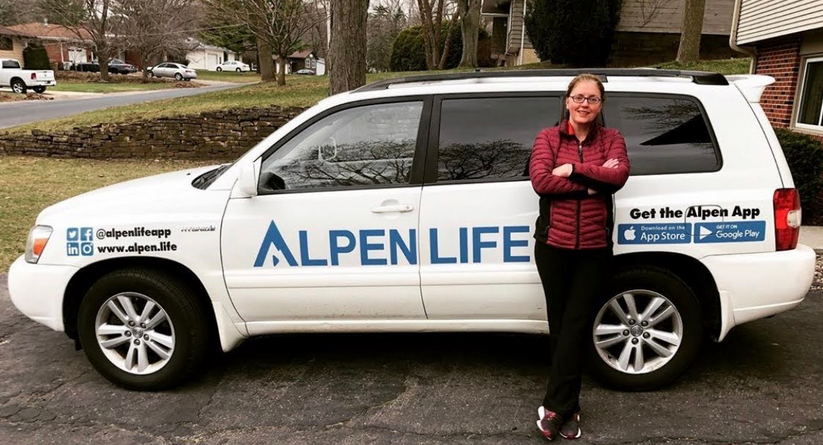
Every day, thousands of commercial vehicles travel the roads between Boulder, Longmont, and Lafayette — HVAC vans heading up to Lyons, electrician trucks pulling into Gunbarrel neighborhoods, catering vehicles parked outside Erie office parks. Each one of those vehicles is either advertising a business or wasting a perfectly good billboard on wheels. In a market where Boulder County residents are constantly on the move along Highway 36, the Diagonal, and Route 287, vehicle signs turn your daily commute and service calls into continuous brand exposure across some of the most trafficked corridors on the Front Range.
Quick Answer
Vehicle signs include decals, vinyl lettering, partial wraps, and full vehicle graphics applied directly to cars, trucks, vans, and trailers. They turn commercial vehicles into mobile advertisements that generate thousands of daily impressions across Boulder County. For most Boulder-area service businesses, professional vehicle lettering and graphics are the single most cost-effective form of local advertising available.
Why Vehicle Signs Matter for Local Businesses
Vehicle signs occupy a unique position in the signage world because they are not tied to a single location. A storefront sign works when customers walk or drive past your building. A vehicle sign works everywhere your vehicle goes — parked at a job site in North Boulder, driving through downtown Longmont on Main Street, or sitting in a grocery store parking lot in Lafayette. The Outdoor Advertising Association of America estimates that a single vehicle wrap generates between 30,000 and 70,000 impressions per day, depending on the market. In a geographically spread-out region like Boulder County, where your service area might stretch from Lyons to Erie, that kind of passive visibility is difficult to replicate through any other medium. For service-based businesses — contractors, landscapers, plumbers, cleaning companies, mobile pet groomers — vehicle signs do double duty. They advertise your brand while simultaneously lending credibility when you arrive at a customer’s home. A professionally lettered van pulling into a Boulder driveway signals legitimacy in a way that an unmarked vehicle simply cannot.
Types of Vehicle Signs: From Simple Lettering to Full Wraps
Vehicle signs come in several formats, and choosing the right one depends on your budget, branding goals, and how many vehicles you operate. Here is a breakdown of the most common options.
Vinyl lettering is the most straightforward and affordable option. It involves cutting individual letters and numbers from adhesive vinyl and applying them to your vehicle’s doors, tailgate, or rear window. This works well for company name, phone number, and basic contact information. It is clean, professional, and easy to update if your phone number or website changes.
Vehicle decals are pre-printed graphic elements — typically your logo, a tagline, or a certification badge — applied to specific areas of the vehicle. Decals add visual interest beyond plain lettering and help reinforce brand identity without committing to a full wrap.
Partial wraps cover a portion of your vehicle with printed vinyl graphics, usually the rear, sides, or a combination. This is a popular middle-ground option for Boulder-area businesses that want bold visual impact without the cost of wrapping the entire vehicle. A well-designed partial wrap can look just as striking as a full wrap when it uses the vehicle’s existing paint color as part of the design.
Full vehicle wraps cover the entire surface of the vehicle with printed vinyl, transforming it into a completely branded mobile billboard. Full wraps offer the highest visual impact and the most design flexibility. They also protect the original paint underneath, which can help preserve resale value — a practical consideration for businesses that lease their fleet vehicles.
Local Considerations for Vehicle Signs in Boulder County
Boulder County presents some specific factors worth considering when planning vehicle signage. The intense Colorado sun at altitude accelerates UV degradation of lower-quality vinyl materials. A vehicle wrap installed with cheap vinyl might look great in January but start fading and cracking by the following summer. Using premium cast vinyl with UV-resistant lamination is not optional here — it is a necessity if you want your graphics to maintain their appearance for three to five years or more.
Weather variability also matters. Vehicles in the Boulder area endure everything from freezing winter mornings to intense afternoon sun, hailstorms, and road salt from snow treatment along Highway 36 and the Diagonal Highway. Quality installation with proper surface preparation ensures adhesion holds up through these temperature swings.
Boulder also has a visually conscious community. Residents and business owners tend to notice and appreciate clean, well-designed graphics. An overly cluttered vehicle wrap with too much text and clashing colors can actually work against your brand in a market that values aesthetic quality. The most effective vehicle signs in this area tend to be clean, bold, and easy to read from a distance — your company name, a short descriptor of what you do, your phone number, and your website. That is often enough.
If you operate in Lyons, Gunbarrel, or more rural areas of the county, keep in mind that your vehicle may be parked at residential job sites for extended periods. In those settings, your vehicle essentially functions as a temporary job site sign, giving neighbors a clear way to identify who is doing the work and how to contact you.
Common Mistakes Businesses Make with Vehicle Signs
The most frequent mistake is trying to put too much information on the vehicle. A vehicle is not a brochure. Drivers and pedestrians have only a few seconds to absorb your message, especially on busy corridors like 28th Street in Boulder or Ken Pratt Boulevard in Longmont. If your vehicle has your company name, three phone numbers, a fax number, an email address, a website, a QR code, a list of twelve services, and a paragraph about your company history, no one will read any of it. Prioritize the essentials: name, what you do, phone, website.
Another common mistake is inconsistency across a fleet. If you have three trucks and each one has a different logo, different colors, or different fonts, you are undermining the brand recognition that fleet graphics are supposed to build. Every vehicle should match, even if you add vehicles at different times.
Poor installation is also a frequent issue. Bubbles, wrinkles, and peeling edges are immediately noticeable and send the wrong message about your attention to detail. Vehicle graphics should be installed by experienced professionals in a controlled environment — not applied in a dusty parking lot on a windy Boulder afternoon.
Finally, some businesses forget to maintain their vehicle signs. A wrap or lettering set that is scratched, faded, or partially peeling looks worse than no graphics at all. Inspect your vehicle graphics regularly and plan for replacement before they start to deteriorate.
Serving Boulder and Nearby Communities with Vehicle Signage
Niwot Signs provides vehicle lettering, decals, partial wraps, and full vehicle graphics for businesses throughout Boulder County and the surrounding Front Range. Whether you operate a single service van in Boulder or manage a fleet of trucks that covers Longmont, Lafayette, Erie, Lyons, and Gunbarrel daily, we handle projects of every scale.
We use premium cast vinyl materials rated for the Colorado climate and perform installations in a controlled shop environment to ensure clean, long-lasting results. Our design process accounts for how the graphics will look on your specific vehicle make and model — because a design that works on a Ford Transit does not automatically translate to a RAM ProMaster or a Chevy Colorado.
We also work with businesses that need to match vehicle graphics to existing storefront signage, uniforms, and marketing materials. Consistency across every customer touchpoint matters, and your vehicle should look like it belongs to the same brand as your building sign and your business cards.
Planning Your Vehicle Signs: Practical Next Steps
If you are considering vehicle signs for your business, start by clarifying a few things. First, identify how many vehicles need graphics and what types they are — cars, vans, box trucks, and trailers all have different surface areas and design considerations. Second, gather your brand assets: your logo files (preferably in vector format), your brand colors (Pantone or hex values), and any tagline or descriptor you want included.
Think about what information is most important for your customers to see. In most cases, your company name, a one-line description of your services, your phone number, and your website are sufficient. If you serve a specific area, adding your service region — something like ‘Serving Boulder County’ — can reinforce local relevance.
Consider your budget and the longevity you need. Simple vinyl lettering can start at a few hundred dollars per vehicle, while a full wrap on a large van or box truck is a more significant investment. Both options deliver strong returns when designed and installed properly, so the right choice depends on your branding goals and how long you plan to keep the vehicle in service.
When you are ready to explore options, bring your vehicle by for measurements or send us the year, make, and model so we can prepare accurate templates. From there, we will develop a design proof that shows exactly how the finished graphics will look on your specific vehicle before any material is cut or printed.
Frequently Asked Questions
How long do vehicle wraps and lettering last in Colorado?
Premium cast vinyl vehicle wraps typically last five to seven years in Colorado when properly installed and maintained. Standard vinyl lettering can last three to five years. The intense UV exposure at altitude and wide temperature swings along the Front Range mean material quality matters significantly. Lower-grade calendered vinyl may begin fading or cracking within one to two years. Using UV-resistant lamination over printed graphics is essential for maintaining color accuracy and adhesion over time in the Boulder County climate.
Will vehicle graphics damage my paint when removed?
Professional-grade vehicle vinyl is designed to be removable without damaging factory paint, provided the paint was in good condition before installation and the vinyl is removed correctly. Heat is used during removal to soften the adhesive and prevent residue. If your vehicle has aftermarket paint, touch-up paint, or rust spots, there is a higher risk of issues during removal. Wraps actually protect the paint underneath from UV fading and minor scratches, which can help preserve resale value for leased fleet vehicles.
What is the difference between a vehicle wrap and vehicle lettering?
Vehicle lettering uses individually cut vinyl letters and numbers applied to the vehicle surface, typically showing your company name, phone number, and website. It is the most affordable option and works well for clean, simple identification. A vehicle wrap uses large printed vinyl sheets that cover part or all of the vehicle with full-color graphics, photos, and design elements. Wraps offer more visual impact and design flexibility but cost more than lettering. Many Boulder-area businesses choose a partial wrap that combines printed graphics with vinyl lettering for a balanced approach.
How much do vehicle signs cost for a small business?
Vehicle sign costs vary based on the type of graphics and the size of the vehicle. Basic vinyl lettering for a pickup truck or sedan typically ranges from two hundred to five hundred dollars. Partial wraps for vans and trucks generally fall between one thousand and three thousand dollars. Full vehicle wraps for standard vans start around three thousand dollars and can reach five thousand or more for large box trucks. These are general ranges and actual pricing depends on design complexity, material selection, and the specific vehicle dimensions.
Can I wrap a leased vehicle?
Yes, vehicle wraps can be applied to leased vehicles. Because professional wraps are removable, they can be taken off at the end of your lease term without damaging the factory paint. In fact, many leasing companies prefer wraps over permanent paint changes. The wrap also protects the original paint from sun damage and minor wear during the lease period, which can help you avoid excess wear charges. Just confirm your leasing agreement does not have specific restrictions before proceeding.