
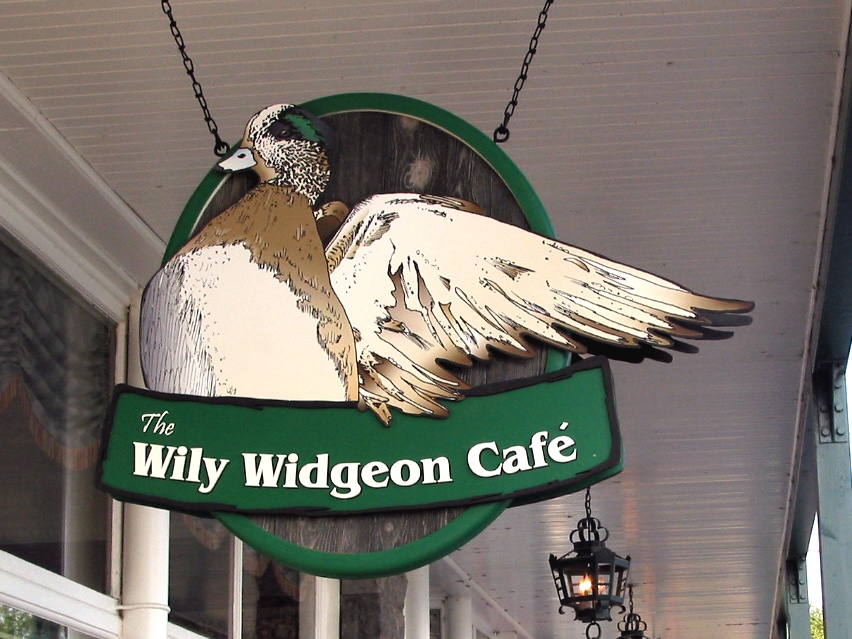
Boulder’s dining scene is one of the most competitive per capita in Colorado. From the walkable density of Pearl Street Mall to the neighborhood eateries scattered across Table Mesa, North Boulder, and the Hill, restaurants here compete for attention against stunning mountain backdrops, heavy foot traffic, and a steady rotation of new concepts. Factor in seasonal tourism, CU Boulder’s student population, and the weekend crowds drawn to downtown, and your restaurant’s exterior signage has roughly three seconds to make an impression. In a town where farm-to-table menus and craft cocktail programs are practically baseline, the sign above your door may be the single biggest factor in whether a first-time visitor walks in or keeps walking.
Quick Answer
The most effective restaurant signs in Boulder combine bold, brand-consistent design with materials built to handle Front Range weather. Channel letters, blade signs, and illuminated cabinet signs are the most common choices for Boulder restaurants because they offer high visibility day and night while meeting the city’s sign code requirements. Choosing the right sign type depends on your storefront location, zoning district, and whether you need to attract foot traffic, vehicle traffic, or both.
Why Signage Matters More for Restaurants Than Almost Any Other Business
Restaurants live and die by first impressions. Unlike a law firm or an accounting office, a restaurant needs to create an emotional reaction before a customer ever steps inside. Your sign is the first piece of that experience. It communicates cuisine style, price point, atmosphere, and credibility in a single glance. A hand-painted wooden sign tells a different story than backlit channel letters on a polished aluminum raceway. Neither is inherently better — but the wrong match between sign and concept creates confusion, and confused diners do not stop.
Boulder’s restaurant industry also faces a unique challenge: turnover. New concepts open regularly, and diners are conditioned to notice what’s new. A well-designed sign signals permanence and investment. It tells potential customers that this restaurant is serious, established, and worth trying. For restaurants in high-traffic corridors like Pearl Street, Walnut Street, or 28th Street, strong signage can be the difference between a packed Friday night and an empty dining room.
Best Sign Types for Boulder Restaurants
Not every sign type works for every restaurant. The best choice depends on your location, budget, brand identity, and what kind of traffic you’re trying to capture. Here are the most effective options for Boulder-area food service businesses.
Channel letter signs are the most popular choice for restaurants with dedicated storefronts. These are individual three-dimensional letters mounted directly to the building facade or on a raceway. They can be front-lit, back-lit (halo-lit), or a combination of both. Channel letters are highly readable from a distance, work well day and night, and give your restaurant a polished, professional appearance. They’re common along 28th Street, Arapahoe Avenue, and in shopping centers throughout Boulder and Louisville.
Blade signs — also called projecting signs — mount perpendicular to the building and are essential for restaurants in pedestrian-heavy areas. On Pearl Street Mall and adjacent blocks, a blade sign is often the primary way foot traffic discovers your restaurant. Boulder’s sign code allows blade signs in many commercial zones, and they’re particularly effective for second-floor restaurants or businesses set back from the sidewalk.
Window graphics and vinyl lettering are cost-effective ways to add branding, hours, and menu highlights to your storefront. For restaurants with large glass facades, frosted vinyl or printed window wraps can create privacy, reduce glare, and reinforce your brand simultaneously.
Monument signs work well for standalone restaurants or those in pad sites along highways and major roads. A well-designed monument sign with integrated lighting gives your restaurant visibility from the road and a sense of arrival that a wall sign alone cannot achieve.
A-frame sidewalk signs and menu boards round out the toolkit. In Boulder, sidewalk signs are commonly used for daily specials, happy hour promotions, and directional wayfinding. They are regulated by the city, so placement and size matter.
Local Considerations for Restaurant Signs in Boulder and Nearby Communities
Boulder’s sign code is more restrictive than many Front Range cities. The city regulates sign area, height, illumination, and placement based on zoning district. Restaurants in the Downtown Commercial zone along Pearl Street face different allowances than those in the Boulder Valley Regional Center zone along 28th Street. Internally illuminated signs are prohibited in some historic overlay areas, which means restaurants in older buildings may need to use externally lit or non-illuminated options.
Longmont has seen significant restaurant growth along Main Street and in the Village at the Peaks area. Sign regulations there are somewhat more flexible than Boulder, but landlords in multi-tenant centers often impose their own sign criteria that override city minimums. In Lafayette, the growing Old Town corridor has attracted new dining concepts, and the city encourages signage that fits the historic character of the district.
Erie’s rapid residential growth has created demand for neighborhood restaurants along County Line Road and in the Erie Commons area. Restaurant owners there benefit from monument signs and well-lit channel letters that capture vehicle traffic. In Lyons, the small-town Main Street environment favors hand-crafted, rustic sign styles that match the community’s character. Gunbarrel, as an unincorporated Boulder County community, follows county sign regulations, which differ from the city of Boulder’s code.
Across all of these communities, weather is a shared concern. Front Range UV exposure fades colors and degrades vinyl faster than in more temperate climates. Wind loads along the foothills can stress sign structures, and the freeze-thaw cycle affects mounting hardware. Choosing materials rated for these conditions is not optional — it is essential.
Common Mistakes Restaurant Owners Make with Signage
The most frequent mistake is treating signage as an afterthought. Restaurant owners pour thousands into interior design, kitchen equipment, and menu development, then settle for the cheapest sign option available. The result is a beautiful interior behind a forgettable exterior. Your sign should receive the same design attention as your menu and dining room.
Another common error is ignoring the sign code until the sign is already fabricated. Boulder’s permitting process requires a sign application, and not every design will be approved. Ordering a sign before confirming it meets code can result in costly redesigns or, worse, a sign that has to be removed after installation.
Poor illumination planning is a third issue. Many Boulder restaurants rely on evening and nighttime business, but their signs are unreadable after dark. If your restaurant serves dinner, your sign needs to be visible at night. This means either internal illumination, external gooseneck lighting, or strategically placed landscape lighting.
Finally, some restaurant owners try to communicate too much on a single sign. Your primary sign should convey your name and brand identity clearly. Menus, hours, and specials belong on secondary signage like window graphics, A-frames, or digital menu boards — not crammed onto your main sign in a font size no one can read from the sidewalk.
Serving Restaurants Across Boulder County and the Front Range
Niwot Signs works with restaurant owners and hospitality businesses throughout Boulder County, from downtown Boulder to Longmont’s growing Main Street corridor, Lafayette’s Old Town district, Erie’s expanding commercial centers, the small-town storefronts of Lyons, and the retail clusters in Gunbarrel. Each of these communities has its own character, sign regulations, and customer traffic patterns, and effective restaurant signage reflects all three.
Whether you are opening a new concept, rebranding an existing restaurant, or simply replacing a worn-out sign that no longer represents your business, understanding the local landscape matters. A sign that works on Pearl Street may not be the right solution for a pad site on Highway 287 in Longmont, and a blade sign designed for foot traffic does not serve a drive-by location in Erie. Local knowledge makes the difference between signage that performs and signage that just exists.
Planning Your Restaurant Sign: Practical Next Steps
Start by defining what your sign needs to accomplish. Is your primary audience on foot or in vehicles? Do you need nighttime visibility? Are you in a multi-tenant building with landlord sign criteria, or a standalone location where you control the facade?
Next, check your local sign code before committing to a design. In Boulder, the Planning and Development Services department handles sign permits. In Longmont, Lafayette, and Erie, contact the respective planning or community development office. Knowing your allowances upfront saves time and money.
Consider your brand identity holistically. Your sign should feel like a natural extension of your interior design, menu aesthetic, and overall dining concept. If you have a brand guide with specific colors, fonts, and logo usage rules, share that with your sign provider early in the process.
Finally, think about longevity. A quality restaurant sign made with UV-resistant materials, proper mounting hardware, and durable illumination components will look great for years with minimal maintenance. A bargain sign will fade, crack, and require replacement far sooner than you expect — and in a town where appearances matter, a deteriorating sign sends exactly the wrong message.
How much does a restaurant sign typically cost in Boulder?
Restaurant sign costs in Boulder vary widely depending on sign type, size, materials, and illumination. A basic vinyl window graphic might start around a few hundred dollars, while custom channel letter signs for a full storefront typically range from several thousand dollars and up. Blade signs, monument signs, and illuminated options fall somewhere in between. Permitting fees in Boulder are additional. The best approach is to get a site-specific quote based on your location, zoning district, and design requirements, since these factors directly impact both fabrication and installation costs.
Do I need a permit for a restaurant sign in Boulder?
Yes. The City of Boulder requires a sign permit for most exterior commercial signs, including wall signs, blade signs, monument signs, and window graphics that exceed a certain percentage of glass coverage. The permit process involves submitting a sign application to Planning and Development Services, including dimensions, materials, illumination details, and a site plan. Some signs in historic overlay zones require additional design review. Starting the permit process early helps avoid delays, especially if your restaurant opening is on a fixed timeline.
What sign types work best for restaurants on Pearl Street in Boulder?
Blade signs are the most effective primary sign type for Pearl Street restaurants because foot traffic is the dominant audience. A blade sign projects perpendicular from the building facade and is visible to pedestrians walking along the sidewalk in both directions. Window graphics, awning lettering, and A-frame sidewalk signs supplement blade signs well. Internally illuminated signs may be restricted in some Pearl Street zones, so externally lit or non-illuminated blade signs with high-contrast designs are common and effective choices.
How long does it take to get a restaurant sign made and installed?
The timeline from design to installation for a custom restaurant sign typically runs four to eight weeks, depending on sign type and complexity. Channel letter signs and illuminated cabinet signs generally take longer due to fabrication requirements. The permitting process in Boulder can add one to three weeks depending on the zoning district and whether design review is required. Planning ahead is critical, especially for new restaurant openings. Starting the sign conversation during your build-out phase rather than after your soft opening keeps everything on schedule.
Can I use a digital or LED sign for my restaurant in Boulder?
Boulder has strict regulations on electronic message center signs and digital displays. In most commercial zones, animated or flashing signs are prohibited, and electronic changeable copy signs face significant restrictions on brightness, timing, and placement. Some neighboring communities like Longmont and Erie are somewhat more permissive with digital signage. If you are considering a digital menu board or LED component for your restaurant sign, check the specific regulations for your zoning district before investing in the technology.