Pearl Street Mall draws foot traffic year-round, but the retail corridors along 28th Street, Arapahoe Avenue, and the Village Shopping Center compete for attention in different ways. Whether your storefront faces a busy arterial or sits tucked into a strip center in Gunbarrel, your exterior signage determines whether passing customers notice you at all. Boulder’s mix of historic downtown buildings, modern retail developments, and neighborhood shopping centers creates unique challenges for business owners trying to stand out. The same sign strategy that works on a converted Victorian storefront in downtown Longmont won’t necessarily translate to a pad site in Erie or a multi-tenant building in Lafayette.
Quick Answer
Storefront signs are the primary exterior identification for retail businesses, typically mounted directly to the building facade above the entrance. In Boulder and surrounding communities, effective storefront signage combines visibility from the street, compatibility with building architecture, and compliance with local sign codes. Channel letters, cabinet signs, and dimensional lettering are the most common options for Boulder County retail locations.
Why Storefront Signage Matters for Retail Businesses
Retail success depends on visibility. Unlike service businesses that rely primarily on referrals or online bookings, brick-and-mortar retail stores need to capture impulse visits and help customers find them on their first trip. Your storefront sign is working 24 hours a day, communicating your business name, category, and brand personality to everyone who passes by.
In Boulder’s competitive retail environment, a well-designed storefront sign accomplishes several goals simultaneously. It identifies your business from the street and parking lot, differentiates you from neighboring tenants, reinforces brand recognition for returning customers, and signals what type of products or experience customers can expect inside. A boutique clothing store, a sporting goods retailer, and a specialty food shop all benefit from signage that communicates their unique positioning before customers walk through the door.
For multi-tenant retail centers common throughout Boulder County—from the Twenty Ninth Street district to the shopping centers along Highway 119 in Longmont—storefront signs also help customers navigate to the right entrance among a row of similar storefronts.
Best Storefront Sign Types for Boulder Retail Locations
Channel letters remain the most popular choice for Boulder retail storefronts, and for good reason. These three-dimensional letters mount individually to the building facade and can be illuminated from the front, back, or both. Front-lit channel letters provide maximum visibility after dark, while reverse-lit (halo-lit) letters create a subtle glow effect that works well on buildings with architectural character. Many Pearl Street businesses use reverse-lit channel letters to comply with the area’s design guidelines while still maintaining nighttime visibility.
Cabinet signs—also called box signs—offer a more economical option for businesses that need large-format identification. These signs consist of an aluminum cabinet with translucent faces that illuminate from within. While less architecturally refined than channel letters, cabinet signs work well for pad sites and strip centers in Erie, Lafayette, and Longmont where visibility from the road takes priority over aesthetic subtlety.
Dimensional lettering provides an upscale non-illuminated option for businesses in pedestrian-oriented locations or historic buildings. Laser-cut metal, formed plastic, or routed foam letters mount directly to the facade to create depth and shadow. Many downtown Longmont and Louisville retail businesses use dimensional lettering during the day and rely on storefront lighting or gooseneck fixtures for evening visibility.
Awning signs combine weather protection with identification, stretching fabric or metal over a frame that projects from the building. For Boulder storefronts with limited facade space or restrictive landlord requirements, illuminated awning signs can provide both brand visibility and functional shelter for customers entering the store.
Local Considerations for Boulder County Storefront Signs
Sign regulations vary significantly across Boulder County municipalities, and understanding local codes before designing your storefront sign saves time and money. The City of Boulder maintains some of the most restrictive sign codes along the Front Range, particularly in the downtown core and University Hill areas. Maximum sign area calculations, illumination restrictions, and design review requirements all affect what’s possible for your specific location.
Longmont’s sign code allows more flexibility for commercial corridors while maintaining stricter standards for the historic Main Street district. Lafayette and Louisville balance business visibility needs with community character preservation, often requiring design review for illuminated signs. Erie’s rapidly growing retail areas generally follow more permissive suburban commercial standards, though individual developments may have additional architectural guidelines.
Beyond municipal codes, most Boulder County retail spaces involve landlord approval processes. Shopping center owners and property management companies typically maintain sign criteria documents that specify acceptable sign types, sizes, colors, and installation methods. These criteria ensure visual consistency across the property but can limit your design options. Reviewing landlord sign criteria before committing to a lease helps avoid surprises later.
Boulder’s weather conditions also influence material and installation choices. High winds along the foothills corridor require robust mounting systems, while intense UV exposure at altitude accelerates fading in some plastics and paints. Snow load considerations affect projecting signs and awnings, particularly for businesses in Lyons, Nederland, and other mountain-adjacent communities.
Common Mistakes with Retail Storefront Signs
The most frequent mistake Boulder retail businesses make is undersizing their signage. What looks appropriately scaled on a computer rendering often disappears when viewed from a moving vehicle on 28th Street or Diagonal Highway. Sign codes establish maximum sizes, not recommended sizes—and many businesses would benefit from using more of their allowable sign area rather than defaulting to modest dimensions.
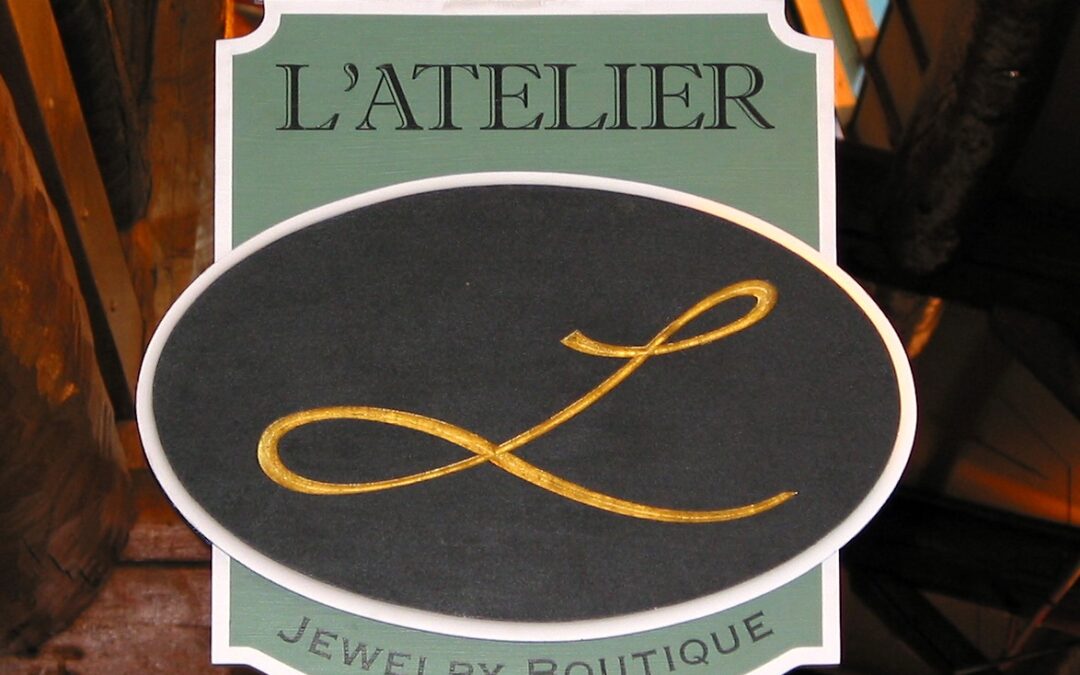
Poor font selection creates another common problem. Decorative scripts and thin-weight fonts that look elegant up close become illegible at distance. Effective storefront signs prioritize readability over stylistic flourish, using bold letterforms with adequate spacing. This matters especially for businesses on high-speed corridors in Erie, Lafayette, and Longmont where drivers have only seconds to read and process your sign.
Ignoring illumination timing wastes energy and can annoy neighboring property owners. Quality storefront signs include photocells or timers that activate lighting only when needed. A sign blazing at 2 a.m. when your store closes at 6 p.m. provides no business benefit while increasing electricity costs and light pollution.
Finally, some businesses install their permanent signage without removing temporary grand opening banners or window signs that were only meant to last a few weeks. This creates visual clutter that undermines the professional appearance of your permanent storefront identification.
Serving Boulder and Nearby Communities
Every Boulder County community presents different storefront signage opportunities and challenges. Downtown Boulder’s pedestrian orientation rewards detailed craftsmanship and creative design that engages customers at close range. The 29th Street district and Basemar Shopping Center serve customers arriving primarily by car, requiring signs optimized for vehicular visibility.
Longmont’s retail landscape ranges from the walkable Main Street district to auto-oriented corridors like Hover Street and Highway 119. Businesses in the historic downtown benefit from signage that complements the area’s traditional architecture, while those in newer developments have more flexibility with contemporary sign styles.
Lafayette’s growing retail presence along South Boulder Road and Public Road serves a mix of local residents and pass-through traffic. Erie’s Town Center and Vista Ridge developments continue expanding, creating opportunities for new retail businesses to establish strong visual identities from day one.
Gunbarrel’s neighborhood shopping centers serve a defined residential community, where storefront signs can focus on local recognition rather than capturing highway traffic. Lyons’ compact commercial district attracts both residents and tourists, making distinctive storefront signage valuable for businesses seeking to stand out in a small but competitive market.
Planning Your Storefront Sign Project
Successful storefront sign projects start with research. Before contacting sign companies, gather your lease documents to identify any landlord sign criteria, photograph your storefront from various distances and angles, and review your municipal sign code’s commercial provisions. This preparation helps sign professionals provide accurate recommendations and realistic pricing.
Consider your full signage program, not just the primary storefront identification. Many retail businesses benefit from coordinated window graphics, projecting blade signs, and directional signage that work together with the main storefront sign. Planning these elements together ensures visual consistency and may offer cost efficiencies in design and installation.
Timeline expectations matter for retail businesses planning around seasonal peaks or grand openings. Custom channel letters typically require four to six weeks for fabrication after design approval, while permitting adds additional time depending on the municipality. Landlord approval processes vary from a few days to several weeks. Building adequate lead time into your planning prevents rushed decisions or missed deadlines.
For Boulder County retail businesses ready to improve their storefront visibility, consulting with a local sign company familiar with area codes, conditions, and landlord requirements provides the most efficient path from concept to installed signage.
How much do storefront signs cost in Boulder?
Storefront sign costs in Boulder vary widely based on type, size, and complexity. Basic dimensional lettering for a small storefront might start around $1,500 to $3,000, while illuminated channel letters for a typical retail location range from $5,000 to $15,000 or more. Cabinet signs fall somewhere in between. Factors like sign height, number of letters, illumination type, and installation complexity all affect final pricing. Permit fees add $100 to $500 depending on the municipality.
Do I need a permit for a storefront sign in Boulder County?
Yes, most Boulder County municipalities require sign permits for permanent storefront signage. The City of Boulder, Longmont, Lafayette, Louisville, and Erie all have sign permit requirements with varying application processes and fees. Some jurisdictions require design review for illuminated signs or signs in historic districts. Additionally, if your business is in a shopping center or multi-tenant building, you’ll typically need landlord approval before applying for municipal permits.
How long does it take to get a storefront sign installed?
The complete process from initial design to installed storefront sign typically takes six to ten weeks for most Boulder County retail locations. This includes design development and approval, permit application and review, fabrication of custom sign components, and scheduling installation. Simpler signs with straightforward permit processes can move faster, while signs requiring design review or complex landlord approvals may take longer. Planning ahead is especially important if you’re coordinating with a store opening date.
What's the difference between channel letters and cabinet signs?
Channel letters are individual three-dimensional letters mounted separately to your storefront, while cabinet signs consist of a single illuminated box with your business name displayed on the face. Channel letters offer a more custom, architectural appearance and can be illuminated in various ways including front-lit, back-lit, or both. Cabinet signs provide a more economical option with good visibility but a more utilitarian appearance. Channel letters are generally preferred in pedestrian areas and upscale retail settings, while cabinet signs work well for highway-visible locations.
Can I install my storefront sign myself to save money?
While some non-illuminated dimensional letters can technically be owner-installed, professional installation is strongly recommended for most storefront signs. Illuminated signs require electrical connections that must be performed by licensed electricians and inspected per local codes. Improper mounting can damage building facades, void warranties, and create safety hazards in Boulder’s high-wind environment. Professional sign companies carry insurance and provide warranties that protect your investment. The installation cost is typically a small percentage of the overall project.